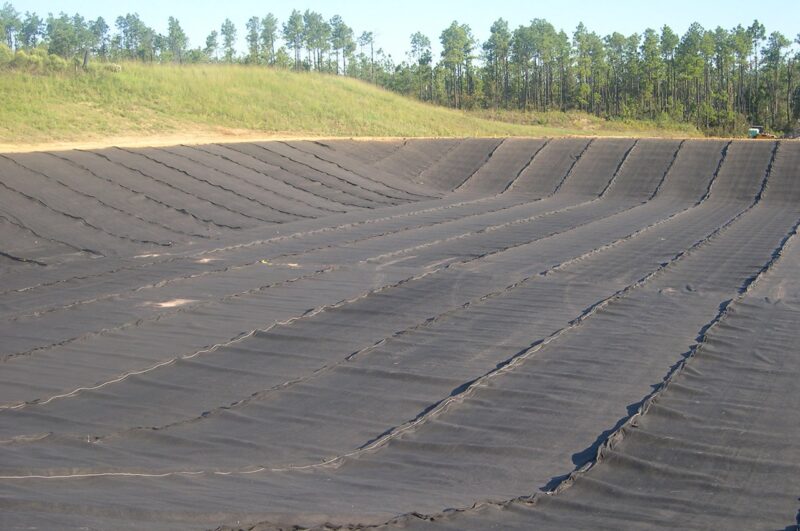
Geosynthetic liners are critical components in environmental containment systems, used in landfills, mining facilities, wastewater ponds, and hazardous material storage sites. Because these liners serve as barriers that protect soil and groundwater from contamination, strict quality control and assurance processes are essential. Geosynthetic Liner Construction Quality Assurance specialists play a central role in ensuring compliance, durability, and long term environmental protection.
The Role Of CQA Specialists In Geosynthetic Projects
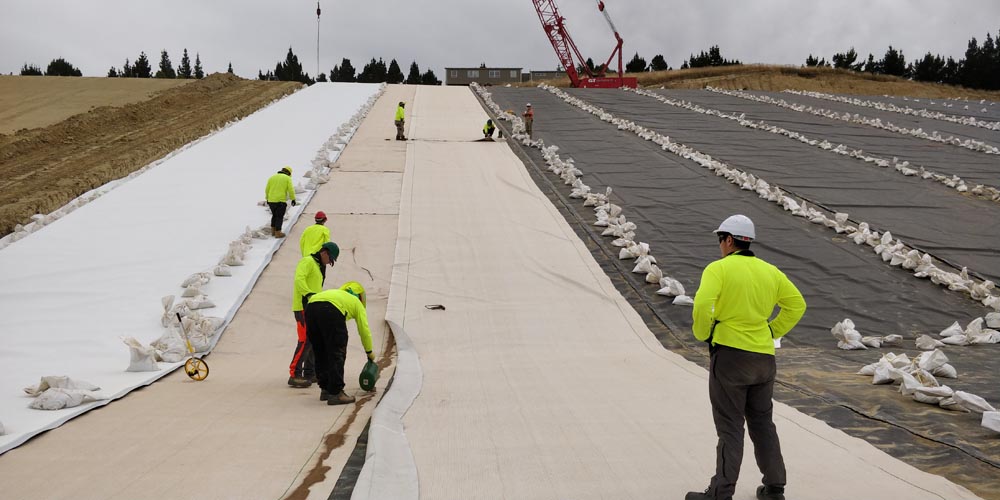
In high risk containment projects, a CQA auditor is necessary to independently verify that installation activities meet design specifications and regulatory standards. Construction Quality Assurance specialists act as third party representatives who monitor liner installation, welding processes, testing procedures, and documentation.
Their responsibility is to ensure that geosynthetic materials are installed correctly and perform as intended. This includes verifying subgrade preparation, confirming material certifications, witnessing seam welding procedures, and reviewing destructive and non destructive testing results.
Unlike Construction Quality Control, which is typically performed by the contractor, CQA is an independent oversight function. This separation strengthens accountability and provides project owners and regulators with confidence that compliance requirements are being met objectively.
Ensuring Environmental Containment Compliance
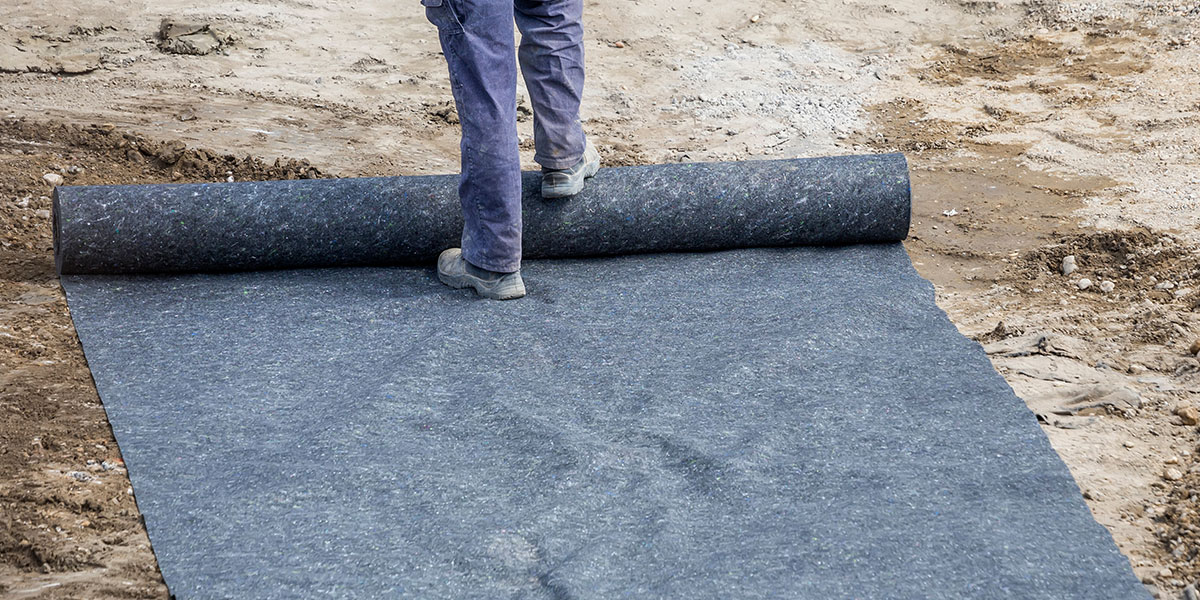
Environmental regulations governing containment systems are often stringent, especially for facilities managing hazardous waste, tailings, or industrial by products. CQA specialists help ensure that geosynthetic liner systems meet national standards, local environmental approvals, and project specific technical specifications.
Compliance involves detailed documentation of every stage of installation. This includes tracking roll numbers, seam mapping, repair logs, testing records, and inspection reports. Proper record keeping is essential not only for regulatory approval but also for long term asset management.
CQA specialists also oversee electrical leak detection testing, seam integrity verification, and post repair validation. Identifying and correcting defects before the liner system becomes operational prevents environmental risk and reduces costly remediation in the future.
By maintaining strict oversight, CQA teams support project certification and regulatory sign off, helping projects move smoothly into operational phases.
Long Term Risk Mitigation And Project Confidence
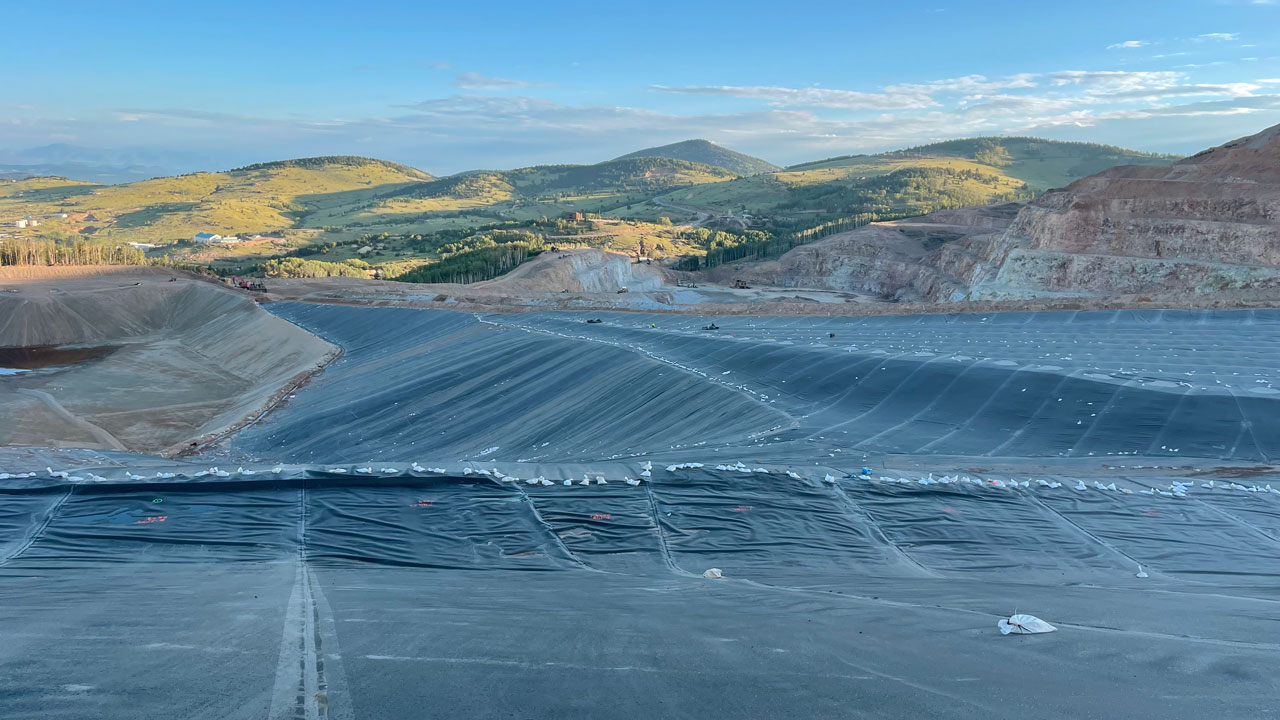
The presence of qualified CQA professionals reduces the likelihood of liner failure due to installation errors or overlooked defects. Early detection of seam flaws, punctures, or subgrade issues prevents small problems from escalating into major containment breaches.
Beyond installation, comprehensive CQA reporting provides an auditable trail that protects project stakeholders. In the event of regulatory reviews, environmental audits, or operational incidents, documented quality assurance processes demonstrate due diligence.
CQA involvement also supports improved contractor performance. Clear inspection protocols and structured oversight encourage best practice installation techniques and consistent adherence to project standards.
For owners and developers, engaging experienced CQA specialists enhances confidence in the structural and environmental integrity of containment systems, particularly in projects with long design lifespans.
Conclusion
Geosynthetic liner CQA specialists are essential for ensuring environmental containment compliance and long term system reliability. Through independent oversight, detailed inspection, and structured documentation, CQA professionals verify that liner installations meet strict regulatory and technical standards. By prioritizing quality assurance from the outset, project teams reduce risk, protect the environment, and strengthen the durability of critical containment infrastructure.