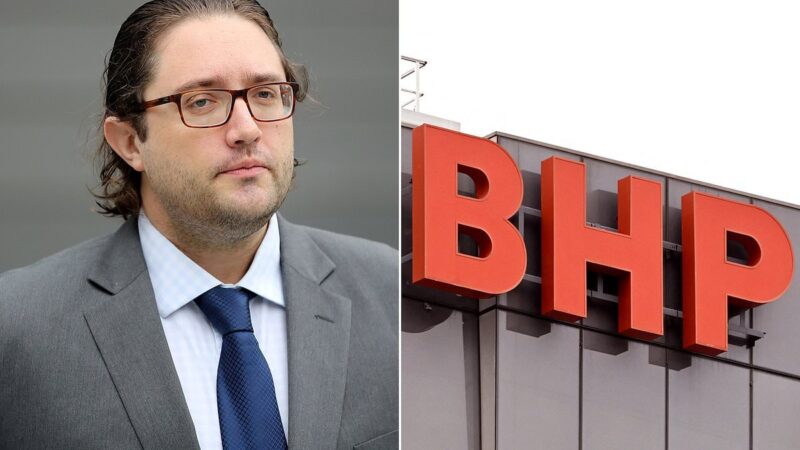
Pogust Goodhead is continuing its multibillion pound lawsuit against BHP despite substantial debt, leadership disruption, and uncertainty surrounding future cash flow. The claim concerns the devastating collapse of the Fundão dam near Mariana, Brazil, in 2015.
The case has produced an important liability victory for more than 600,000 claimants, but determining compensation will require further legal work, expert evidence, and extensive financial support.
BHP Found Liable for Mariana Disaster

The Fundão dam collapse released millions of cubic metres of mining waste across communities and into the Doce River. Nineteen people died, while homes, businesses, farmland, and ecosystems suffered widespread damage.
Pogust Goodhead brought proceedings in England against BHP on behalf of individuals, businesses, municipalities, religious organisations, and Indigenous communities. The claim became one of the largest group actions in English legal history.
In November 2025, the High Court found BHP liable under Brazilian environmental law. The judgment concluded that the risk of the dam collapsing was foreseeable and allowed the litigation to advance toward the assessment of damages.
The next phase will examine different categories of loss and determine what compensation may be available to claimants. This process could continue for several years because individual circumstances and previous payments made in Brazil must be considered.
Auditors Identify Material Uncertainty

The auditors’ assessment of Pogust Goodhead’s financial future highlighted uncertainty involving cash flow, additional funding, and the timing of possible revenue from unresolved cases. Earlier accounts warned that these conditions could cast significant doubt on the firm’s ability to continue as a going concern.
A going concern warning does not mean that failure is certain. It indicates that financial circumstances exist which may affect the company’s ability to meet obligations and should therefore be disclosed to readers of its accounts.
Financial statements for 2022 showed net liabilities exceeding £500 million and a pre tax loss of almost £292 million. Separate accounts covering 2023 later reported another substantial loss and net current liabilities above £93 million.
Pogust Goodhead argues that accounting rules create a misleading picture of its business model. Loan obligations are recognised immediately, while potential fees from successful cases cannot be recorded until the income becomes sufficiently certain.
Nevertheless, salaries, expert costs, administration, technology, and interest obligations must be paid while cases remain unresolved. This creates significant pressure when legal proceedings take longer than originally expected.
Fresh Financing Supports Compensation Phase

US investment manager Gramercy agreed a reported $552 million financing package with Pogust Goodhead in 2023. Further credit was subsequently provided as expenditure on the BHP case and other group actions continued to increase.
In June 2026, Pogust Goodhead announced a new facility of up to $150 million dedicated to the Mariana compensation phase. An initial portion was made available to support ongoing legal work and preparation for future hearings.
International disputes firm Quinn Emanuel also entered a strategic partnership with Pogust Goodhead and assumed a leading role in the case. Its involvement provides additional expertise following departures among senior Pogust Goodhead lawyers.
The firm maintains that Gramercy does not control litigation strategy. According to its current leadership, all professional decisions remain with qualified lawyers acting independently for claimants.
Conclusion
The BHP liability judgment gave Mariana victims an important legal victory, but it did not resolve Pogust Goodhead’s financial challenges. The compensation phase will require stable management and considerable additional investment.
Fresh financing and support from Quinn Emanuel may protect the case from immediate disruption. However, the firm’s long term stability will depend on controlling costs, managing debt, and converting successful litigation into sustainable revenue without compromising claimant interests.