Heavy machinery transport requires detailed planning, strict safety standards, and full regulatory compliance. Moving large construction equipment, industrial machines, or agricultural units is not as simple as loading and driving. Every step, from preparation to final delivery, must be carefully managed to prevent damage, delays, or legal issues. This guide explains the correct loading steps, essential safety checks, and compliance requirements you need to understand.
Loading Steps For Heavy Machinery Transport

When organizing equipment relocation, many contractors begin by researching reliable providers where they can find your machinery transport here and compare suitable trailer options for the specific load. Proper loading always starts with accurate measurement of the machinery’s height, width, length, and total weight. These figures determine whether a low loader, step deck, or extendable trailer is required.
Before loading begins, the machinery should be thoroughly inspected. Remove detachable parts, secure moving components, and check for fluid leaks. Reducing fuel levels and disconnecting sensitive attachments can help minimize risks during transit. Preparation at this stage prevents complications later.
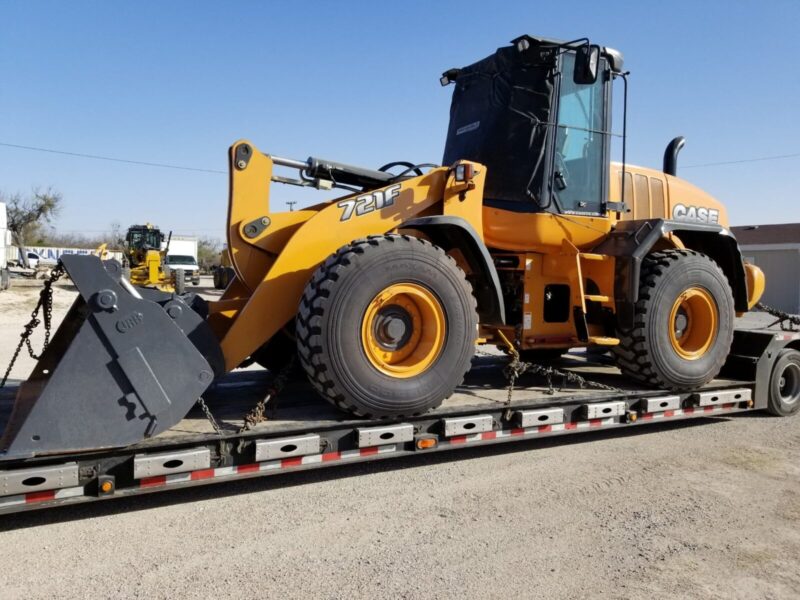
Positioning is one of the most critical steps. The equipment must be aligned centrally on the trailer to ensure balanced weight distribution. Uneven loading can affect braking performance and steering control. Operators typically use reinforced ramps or hydraulic systems to move machinery onto the trailer safely.
Once positioned, heavy duty chains, ratchet binders, and straps are used to secure the equipment. Tie down points must be strong enough to withstand movement caused by acceleration, braking, and road vibrations. After securing the load, a final inspection confirms that everything is stable and compliant before departure.
Safety Checks Before And During Transport
Safety checks are essential for preventing accidents and protecting both personnel and equipment. Before departure, the transport vehicle itself must be inspected. This includes examining tire condition, brake systems, lights, suspension, and hydraulic components. A fully functional trailer is just as important as properly secured machinery.
All tie down equipment should be checked for wear, corrosion, or weakness. Damaged chains or straps must be replaced immediately. In addition, verify that all locking mechanisms are tightened and that the machinery remains stable under pressure.
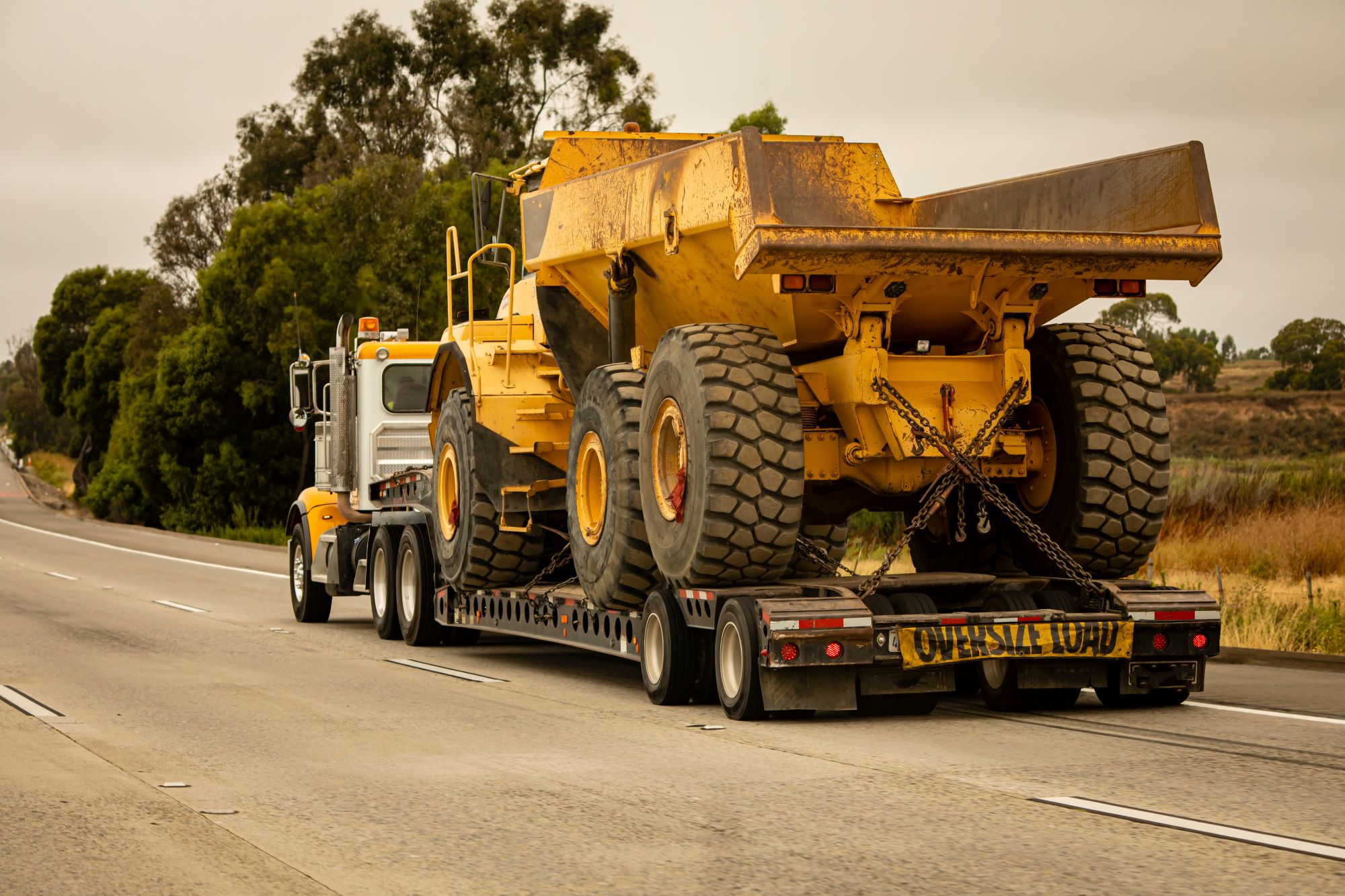
During transport, scheduled stops are recommended to reassess load stability. Road vibrations and uneven terrain can cause slight shifts, which may require re tightening of chains or binders. Drivers should remain cautious of sudden braking and sharp turns, especially when carrying oversized or high center of gravity loads.
Weather conditions also play a significant role. Rain, wind, or icy surfaces increase risk and may require reduced speed or route adjustments. Ongoing awareness and proactive monitoring greatly reduce potential hazards.
Compliance Requirements And Legal Considerations
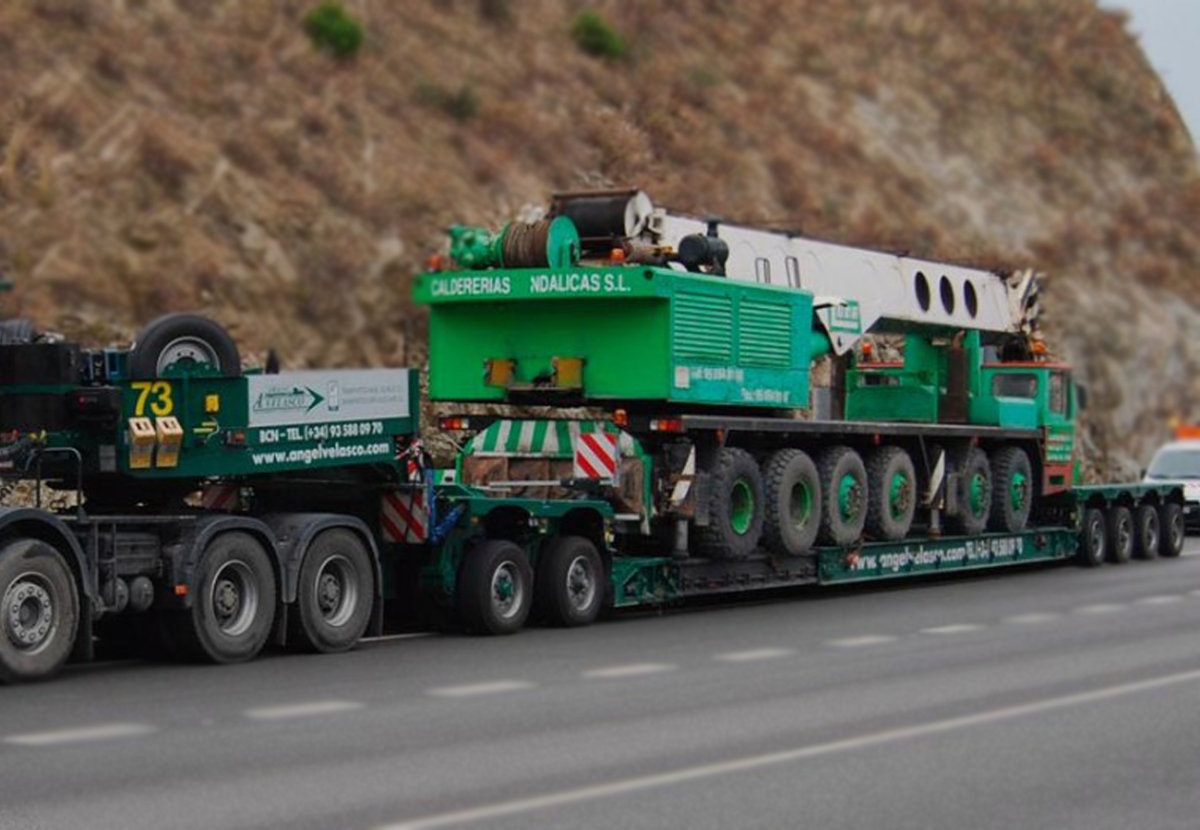
Heavy machinery transport must comply with regional and national transport regulations. Oversized or overweight loads often require special permits issued by transport authorities. These permits specify approved routes, maximum dimensions, and allowed travel times.
In many cases, escort vehicles are mandatory for wide or exceptionally heavy loads. These vehicles assist with traffic control and ensure safe navigation through narrow roads or low clearance areas. Route planning is essential to avoid restricted bridges, tunnels, or infrastructure with weight limits.
Failure to meet compliance standards can result in fines, delays, or legal liability. Working with experienced transport professionals ensures that documentation, permits, and operational standards are properly handled.
Conclusion
Heavy machinery transport involves much more than simply moving equipment from one location to another. Proper loading procedures, detailed safety inspections, and strict compliance with regulations are essential for a successful operation. By planning carefully and following established guidelines, businesses can protect valuable assets, ensure road safety, and complete transport tasks efficiently and professionally.